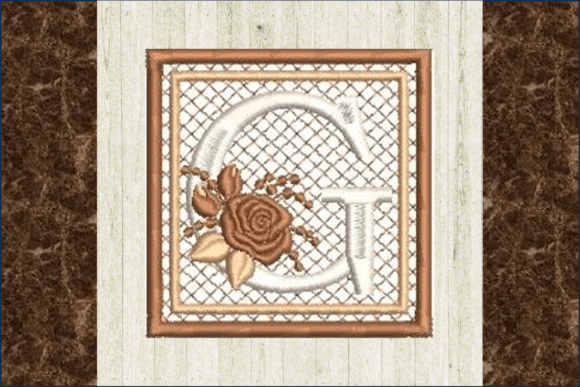
Rose Mini Quilt - G: A Designer's Practical Review
As a designer who has spent years evaluating machine embroidery designs for both personal projects and client work, I approach every new file with a critical eye. The market is flooded with digital assets that look stunning in a preview window but fall apart under the needle. When I first opened the Rose Mini Quilt - G file, I was looking for more than just a pretty picture; I wanted to know if this design could survive the rigors of a real-world production environment. Does it hold up on textured fabrics? Is the stitch density balanced? Most importantly, does it translate into a finished product that customers will actually want to buy?
The First Impression: Mood and Visual Personality
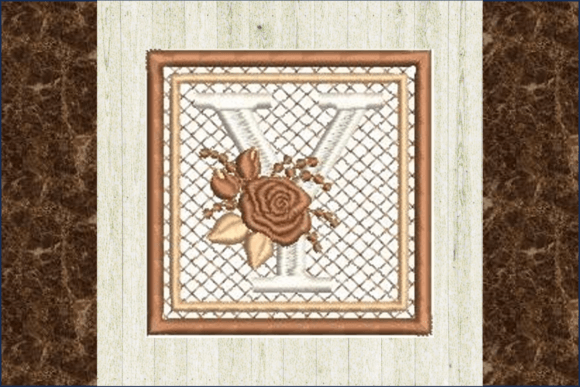
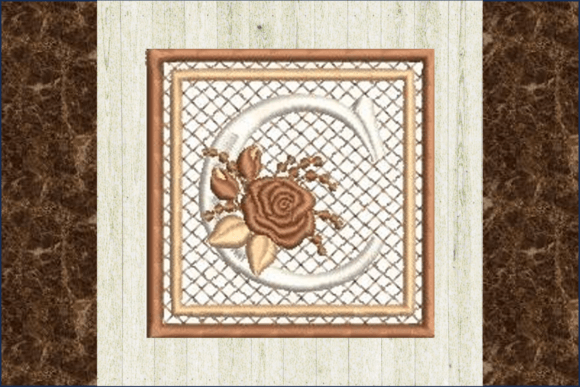
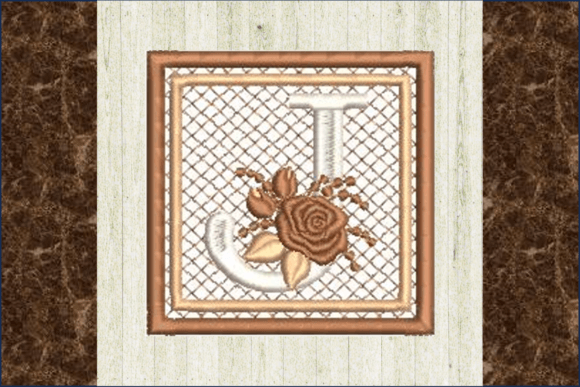
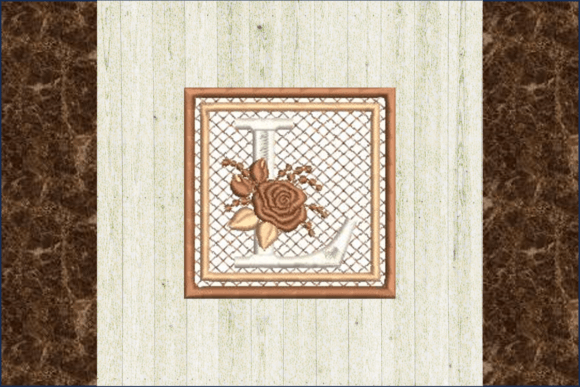
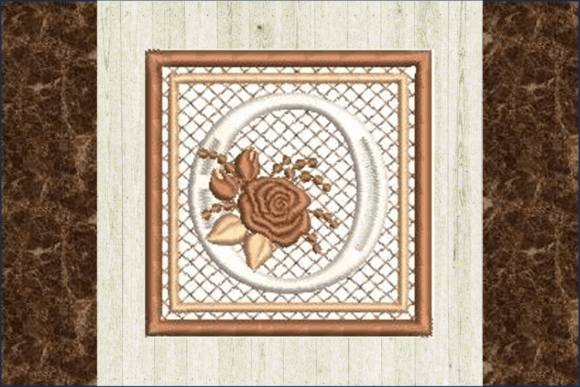
At first glance, Rose Mini Quilt - G exudes a classic, timeless charm. It isn't trying to be trendy or overly complex. Instead, it leans into a cozy, nostalgic aesthetic that feels perfectly at home in a nursery, a boutique gift shop, or a curated home decor collection. The layout is compact yet substantial enough to make a statement without overwhelming the fabric it sits upon. The visual personality is warm and inviting, suggesting a handmade touch even when executed by a machine.
For an Etsy seller or a small shop owner, this kind of design is gold. It bridges the gap between a simple monogram and a full-blown artwork. The description notes that monograms are perfect for bath towels and scarves, but the "hoop version" concept really caught my attention. The idea of stitching this design and simply placing it on a bookshelf or photo easel changes the entire use case. It transforms the embroidery project from a functional textile application into a standalone piece of wall art. This versatility is rare and highly valuable for anyone building a brand around personalized gifts.
Real-World Application: From File to Finished Product
Let’s talk about how Rose Mini Quilt - G performs when you move beyond the screen. Imagine you are preparing a custom order for a client who wants a high-end baby blanket or a personalized apron for a wedding gift. You load the embroidery file, hoop your fabric, and hit start. The design flows smoothly, with no obvious jumps or excessive trims that would frustrate a user during production.
I envision this design working exceptionally well on a tote bag design. Picture a sturdy canvas tote with Rose Mini Quilt - G stitched near the bottom corner. The floral motif adds a touch of elegance without being fussy. Similarly, on a sweatshirt embroidery project, perhaps placed on the chest or sleeve, the design offers a sophisticated alternative to loud logos. For those creating holiday embroidery items, this pattern fits seamlessly into winter collections, especially when paired with rich reds, deep greens, or soft creams.
If you are running a craft business focused on home goods, consider using this as a focal point on pillow covers or tea towels. The intricate details of the rose and quilt pattern suggest a level of craftsmanship that increases the perceived value of the finished product. Customers often pay a premium for items that look hand-stitched, and this design delivers that illusion effectively through its balanced mix of fill stitch and delicate outlines.
Navigating Fabric Challenges and Technical Considerations
While Rose Mini Quilt - G is versatile, it is not without its challenges. As a professional, I always advise testing any new digital embroidery file on scrap fabric before committing to a customer order. This design features detailed corners and potentially dense areas where the rose petals meet the quilt background. On thin or stretchy fabrics like jersey knit, these dense sections can cause puckering if the wrong stabilizer is used.
When working with dark fabrics, the choice of thread colors becomes critical. The lighter tones in the rose might get lost against a black background unless you use a high-contrast thread or apply a backing layer. Conversely, on very textured fabrics like heavy denim or thick wool, the fine details of the running stitch elements might not register clearly. In such cases, simplifying the color palette or increasing the size of the design slightly could help maintain clarity.
Another area to watch is the hoop size. While the design is labeled as "mini," ensure your hoop accommodates the full width without cutting off the edges of the quilt pattern. If you plan to use this for an embroidered patch, remember that patches require extra stabilizer and often a different tear-away technique to ensure they remain durable after washing. Products that need frequent washing, like kitchen towels or baby clothes, demand a robust stitch structure. Always check the stitch density to ensure there are no gaps that could snag or unravel over time.
Maximizing Commercial Value and Brand Consistency
For commercial embroidery projects, consistency is key. Rose Mini Quilt - G offers a cohesive look that can anchor a product line. Whether you are selling personalized gifts or branding items for a local boutique, the design provides a recognizable signature. It works beautifully in printable mockups for social media marketing, allowing potential buyers to visualize the final result before purchasing.
However, before listing any items made with this design on your shop, you must confirm the licensing terms. Many designers offer personal use licenses that do not cover commercial sales of finished goods. Always verify whether you can sell items created with this design asset or if you need a specific commercial license. This step protects your business and respects the intellectual property of the original creator.
From a branding perspective, the design elevates the perceived quality of your offerings. A well-executed handmade product featuring Rose Mini Quilt - G signals attention to detail and care. It tells the customer that you have selected high-quality patterns and taken the time to ensure proper execution. This builds trust and encourages repeat business.
Final Thoughts for the Creative Entrepreneur
In conclusion, Rose Mini Quilt - G is a strong contender for any serious embroidery project. It balances aesthetic appeal with practical functionality, making it suitable for a wide range of applications from custom apparel to home decor. Its ability to transition from a functional item to a decorative piece makes it particularly attractive for sellers looking to diversify their inventory.
My recommendation is to treat this design with the respect it deserves. Test it thoroughly on various materials, experiment with different thread colors, and ensure you have the right stabilizers for your specific fabric choices. By doing so, you can leverage the charm of Rose Mini Quilt - G to create products that stand out in a crowded marketplace. Whether you are a hobbyist making gifts for friends or a small shop product developer scaling your business, this design offers a reliable foundation for beautiful, lasting results.