Rose Mini Quilt-Y: A Designer's Practical Review
As a professional who spends countless hours evaluating machine embroidery designs for both personal collections and client work, I approach every new file with a critical eye. The market is flooded with digital assets, but few translate seamlessly from a screen to a tangible finished product. Recently, I tested the Rose Mini Quilt-Y, a design marketed as a versatile monogram option for bath towels, scarves, and bookshelf decor. My goal was not just to stitch it out, but to determine if it holds up under the scrutiny of a craft business owner or an Etsy seller looking to elevate their brand.
First Impressions: Visual Weight and Mood
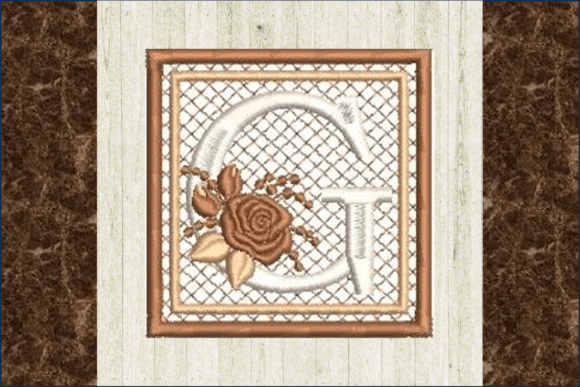
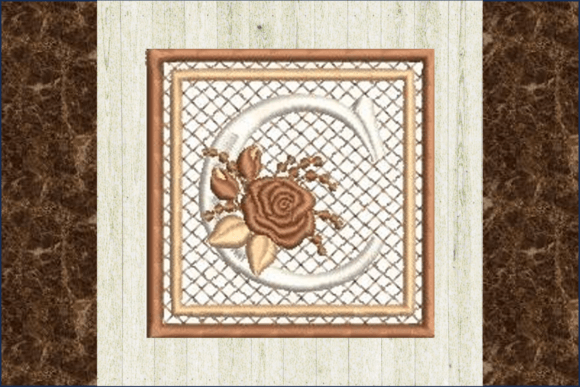
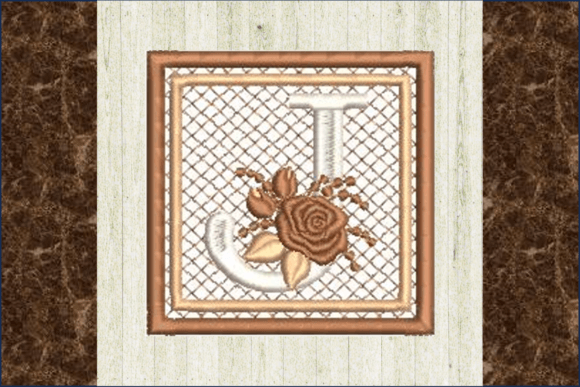
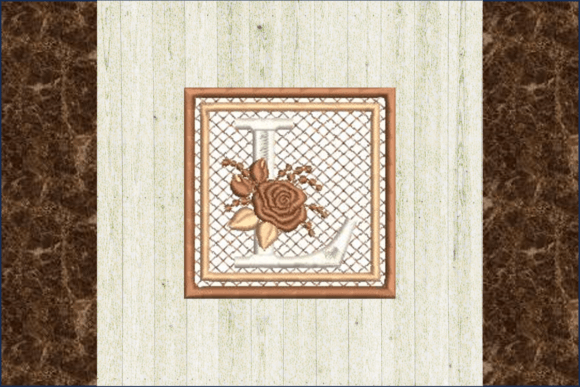
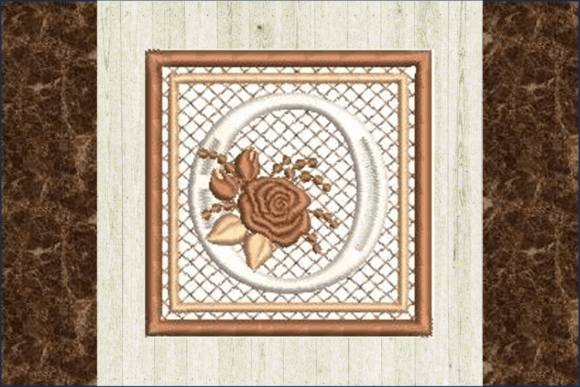
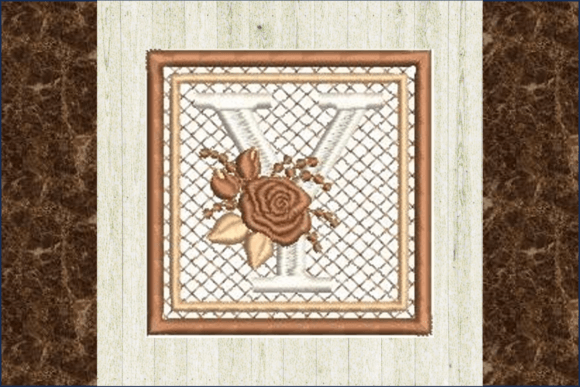
When I first loaded the Rose Mini Quilt-Y into my digitizing software, the initial impression was one of classic charm mixed with modern utility. The layout suggests a balanced composition that avoids the clutter often found in complex floral arrangements. For a designer, this is crucial; you want a motif that breathes rather than competes with the fabric texture. The rose element feels organic, while the quilt-like border implies structure. This duality makes it an excellent candidate for personalized gifts where elegance meets homestyle warmth.
The visual personality of this design leans heavily toward the "cozy boutique" aesthetic. It does not scream "industrial logo," nor does it look like a generic clip-art transfer. Instead, it feels handcrafted even before the needle touches the thread. This is a significant factor for small shop owners who rely on the perception of artisanal quality to drive sales. If you are creating a line of custom apparel or home goods, the Rose Mini Quilt-Y offers a sophisticated entry point that appeals to customers seeking timeless style over fleeting trends.
Real-World Application: From Towels to Totes
To truly understand the value of an embroidery file, you must imagine it in a real-life scenario. Picture yourself preparing a holiday gift set: a high-quality linen tea towel paired with a matching apron. The Rose Mini Quilt-Y fits perfectly here. Its moderate size allows it to sit gracefully in the corner of a towel without overwhelming the weave, yet it remains legible enough to be the focal point of a monogrammed scarf.
I also considered its potential for apparel decoration. Imagine a heavy cotton tote bag destined for a craft fair. Placing this design on the front pocket or center panel creates an immediate sense of branding. Unlike dense, heavy fill stitches that can pucker thin canvas, the Rose Mini Quilt-Y appears to utilize a mix of satin and running stitches that maintain fabric flexibility. This is vital for items like sweatshirts or baby clothes, where comfort is non-negotiable. A customer purchasing a baby embroidery item wants softness; they do not want a stiff patch that irritates sensitive skin. This design seems poised to deliver that balance.
For the Etsy seller or digital product creator, the versatility extends to embroidered patches. The defined edges of the rose and the geometric nature of the quilt border suggest it would cut cleanly and hold its shape well when backed with felt or twill. These patches could become standalone merchandise or add-ons to clothing lines, increasing the average order value for your shop.
Navigating Fabric Challenges and Technical Considerations
While the design is promising, a seasoned designer knows that no digital embroidery file is universally perfect without adjustments. There are specific scenarios where the Rose Mini Quilt-Y requires careful handling. First, consider the stitch density. On textured fabrics like terry cloth or thick denim, the finer details of the rose petals might get lost if the density is too low. Conversely, on very thin silk or chiffon, the same density could cause puckering. Always test the design on scrap fabric first to gauge how the threads interact with the material.
Hoop size is another critical variable. While the description mentions its suitability for various items, you must confirm the exact dimensions against your machine's capabilities. If you are working with a small hoop for cap embroidery or a tiny baby bib, ensure the design scales down without losing definition. Tiny lettering within the monogram portion can become illegible if reduced too far. Similarly, on curved surfaces like caps, the rigid geometry of the quilt border might distort unless you use a specialized cap frame and adjust the tension accordingly.
Color contrast cannot be overlooked. The beauty of the Rose Mini Quilt-Y relies on the interplay between the flower and the background. On dark fabrics, a single-color version might lack depth. I recommend testing the design in black and white mockups first to visualize the silhouette, then experimenting with multiple thread colors to create dimension. Using a proper stabilizer is non-negotiable, especially for stretchy knits used in sweatshirt embroidery. Without adequate backing, the intricate curves of the rose may shift during stitching, ruining the symmetry of the final piece.
Impact on Brand Value and Customer Trust
In the competitive world of handmade products, the quality of your design directly influences customer trust. A poorly executed stitch job signals amateurism, whereas a crisp, well-placed motif like the Rose Mini Quilt-Y communicates professionalism. When a buyer receives a handmade product with clean lines and vibrant colors, they perceive higher value. This is particularly true for wedding gifts or holiday embroidery sets, where presentation is paramount.
For those building a craft business, consistency is key. Using a reliable design asset across different product categories—such as pillows, scarves, and tote bags—helps establish a cohesive brand identity. The Rose Mini Quilt-Y serves as a strong anchor for such a collection. It is distinctive enough to be recognizable but neutral enough to appeal to a broad audience. This versatility reduces the risk of inventory stagnation, allowing you to pivot quickly based on seasonal demand.
Final Verdict and Designer Notes
Before integrating the Rose Mini Quilt-Y into your commercial workflow, take the time to review the licensing terms. Ensure you have the rights to sell finished items or digital files if that is part of your business model. Once cleared, treat this design as a premium asset. Do not rush the setup process. Check the fill stitch patterns for any gaps, verify the pull compensation settings, and always run a test stitch on the actual fabric intended for production.
Ultimately, the Rose Mini Quilt-Y is a robust addition to any Sewing and Embroidery toolkit. It bridges the gap between traditional monogramming and modern decorative art. Whether you are a hobbyist creating a heartfelt gift or a creative entrepreneur scaling a boutique line, this design offers the reliability and aesthetic appeal needed to succeed. With the right preparation and attention to detail, it has the potential to become a signature element in your portfolio of commercial embroidery projects.